

Small Power Sources
Nuclear Reactors
CONSULTING, PROJECT MANAGEMENT AND ENGINEERING SUPPORT
FOR DIVERSE SEGMENTS OF THE NUCLEAR TECHNOLOGY MARKET
Laying the Foundation for Beneficial Uses of the Atom
With the bold promise to develop peaceful uses of nuclear technology, the threat of atomic warfare gave way to the promise of a peaceful atom, one that can provide limitless benefits to mankind. Since that time, President Eisenhower’s vision has made great strides for providing safe, clean power generation, and improving the lives of millions of people through diagnosis and treatment of diseases, as well as countless other uses of nuclear technology.
Canopus Energy is a boutique consulting and advisory enterprise, ready to assist and contribute in our small way, with the pursuit of the “Atoms for Peace” ideal.
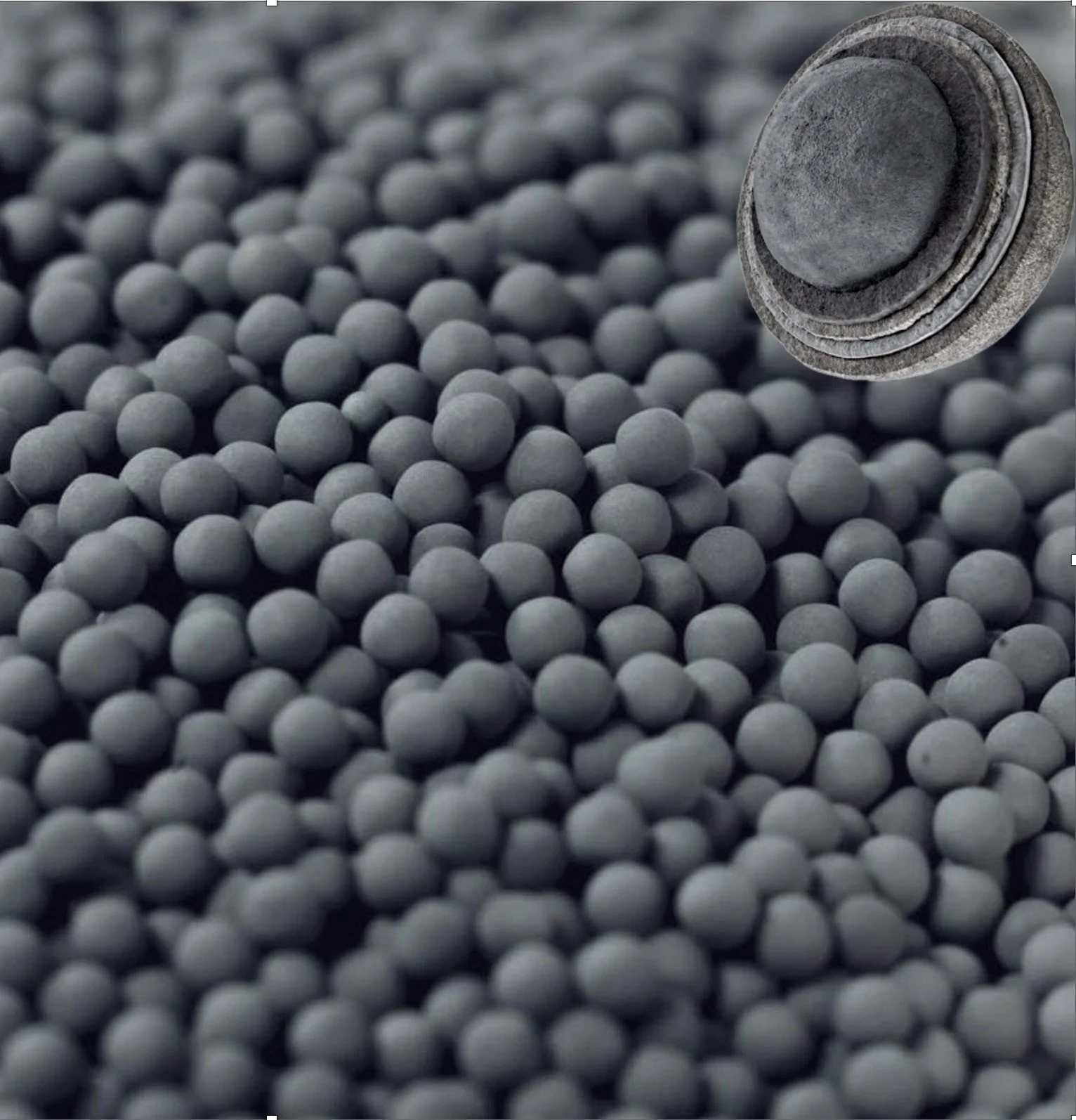
Nuclear Fuel Fabrication
Radioisotopes in Nuclear Medicine
Radioisotopes for Industrial Use
Advancing Humankind through Atoms for Peace
Beyond serving as a carbon-free energy source powering the electric grid, nuclear technologies offer a vast array of peaceful benefits across scientific research, industrial processes, and nuclear medicine. Nuclear technologies contribute significantly to fields such as medical isotope production, material testing and modification, environmental monitoring, and irradiation processes that enhance food safety and industrial manufacturing. This broad spectrum of applications exemplifies the transformative potential of peaceful nuclear innovations in addressing global challenges and advancing human welfare.
Drawing on decades of experience with next generation reactors, non-power research & test reactors, accelerators, and other radiation-generating devices, we bring deep expertise to help you navigate the complex pathways from concept to deployment. We assist with investor due diligence assessments based on reactor physics, systems engineering, and techno-economics. We provide assistance to industrial partners with the design, analysis, regulatory review, and implementation of your envisioned nuclear application—leveraging proven experience to accelerate your project’s success.
OUR EXPERTISE
Radioisotopes
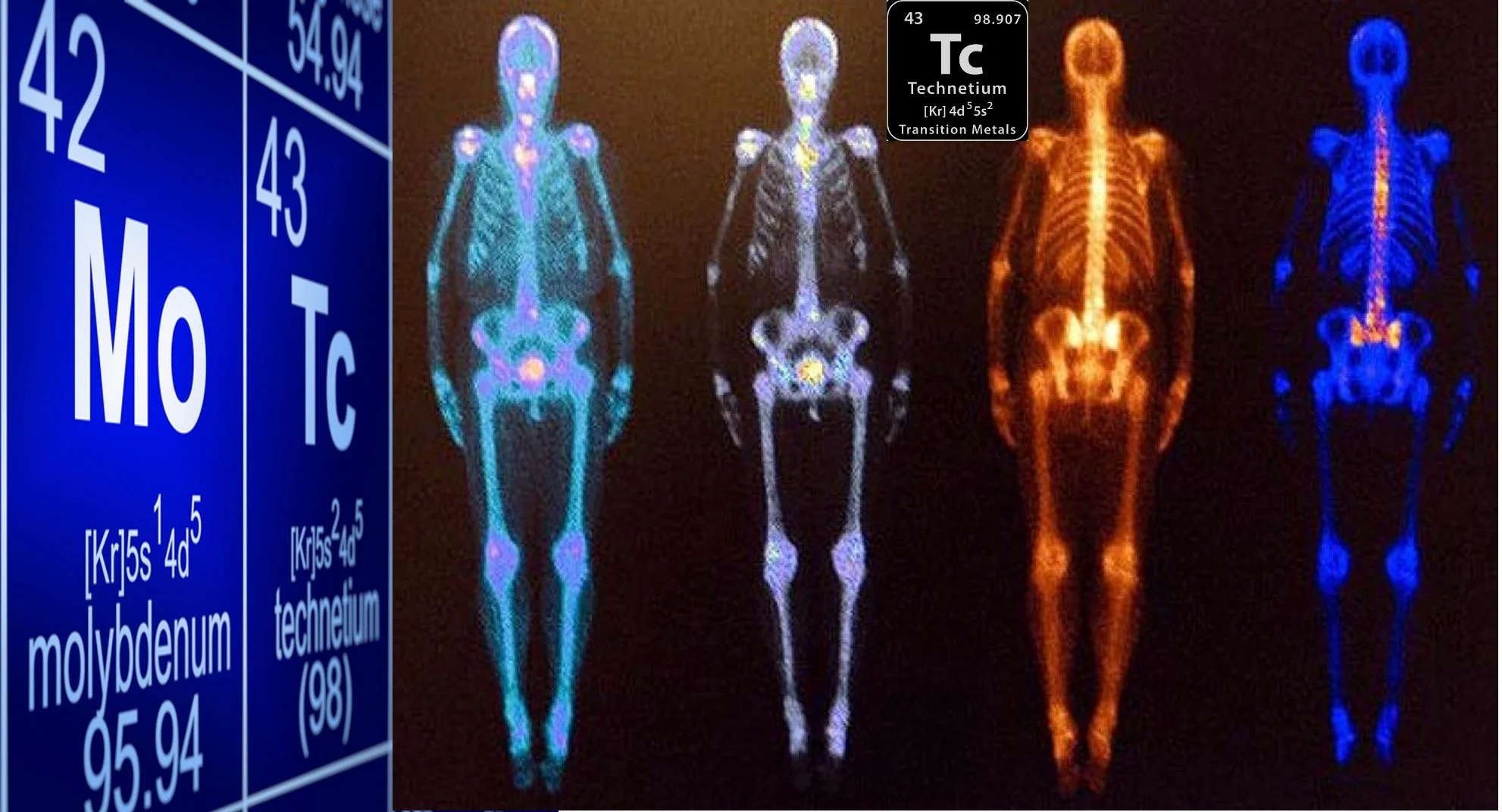
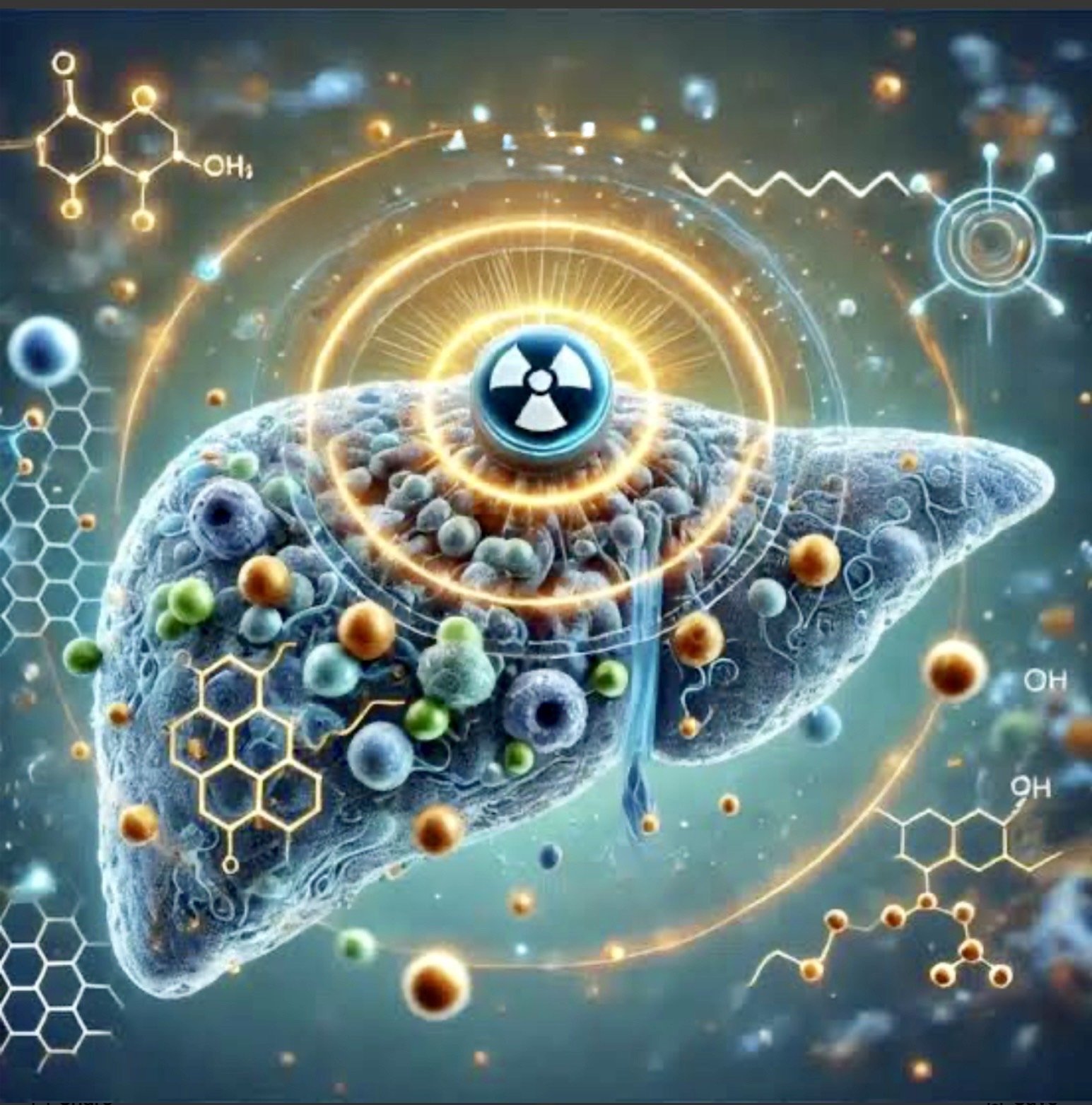
Radioisotopes play a foundational role in nuclear medicine, from the large-scale production of molybdenum-99 (Mo-99)—the source of technetium-99m (Tc-99m), the workhorse isotope for millions of diagnostic imaging procedures annually—to production techniques for isotopes essential to cutting-edge therapies such as Targeted Alpha Therapy. This has prompted coordinated efforts and renewed investments by both government and industry to deploy innovative technologies capable of meeting the growing global demand for these life-saving diagnostics and treatments.
These radionuclides can be produced using non-power nuclear research reactors or various particle accelerators, in conjunction with sophisticated radiochemistry methods to isolate the isotope of interest. Each production method requires careful attention to radiation safety, optimization of irradiation targets and facilities, and robust regulatory compliance.
The safe and regulated application of radioisotopes has revolutionized industrial diagnostics and process control, providing precision and efficiency unattainable by conventional means. Radioisotopes have become indispensable tools in construction, aerospace and manufacturing, contributing to a wide array of processes that enhance productivity, quality, and safety. Sealed radioactive sources are used extensively for industrial radiography; other high energy gamma emitters allow for non-destructive testing to examine the integrity of metal welds, pipelines, pressure vessels, and other critical components without causing damage. Radioisotopes also enable the sterilization of medical supplies and food processing. and support quality control and food processing.
Leveraging extensive experience in the design, licensing, and regulatory approval of irradiation facilities, our team is prepared to support your needs at every stage of critical radioisotope production —from concept development through operational implementation.
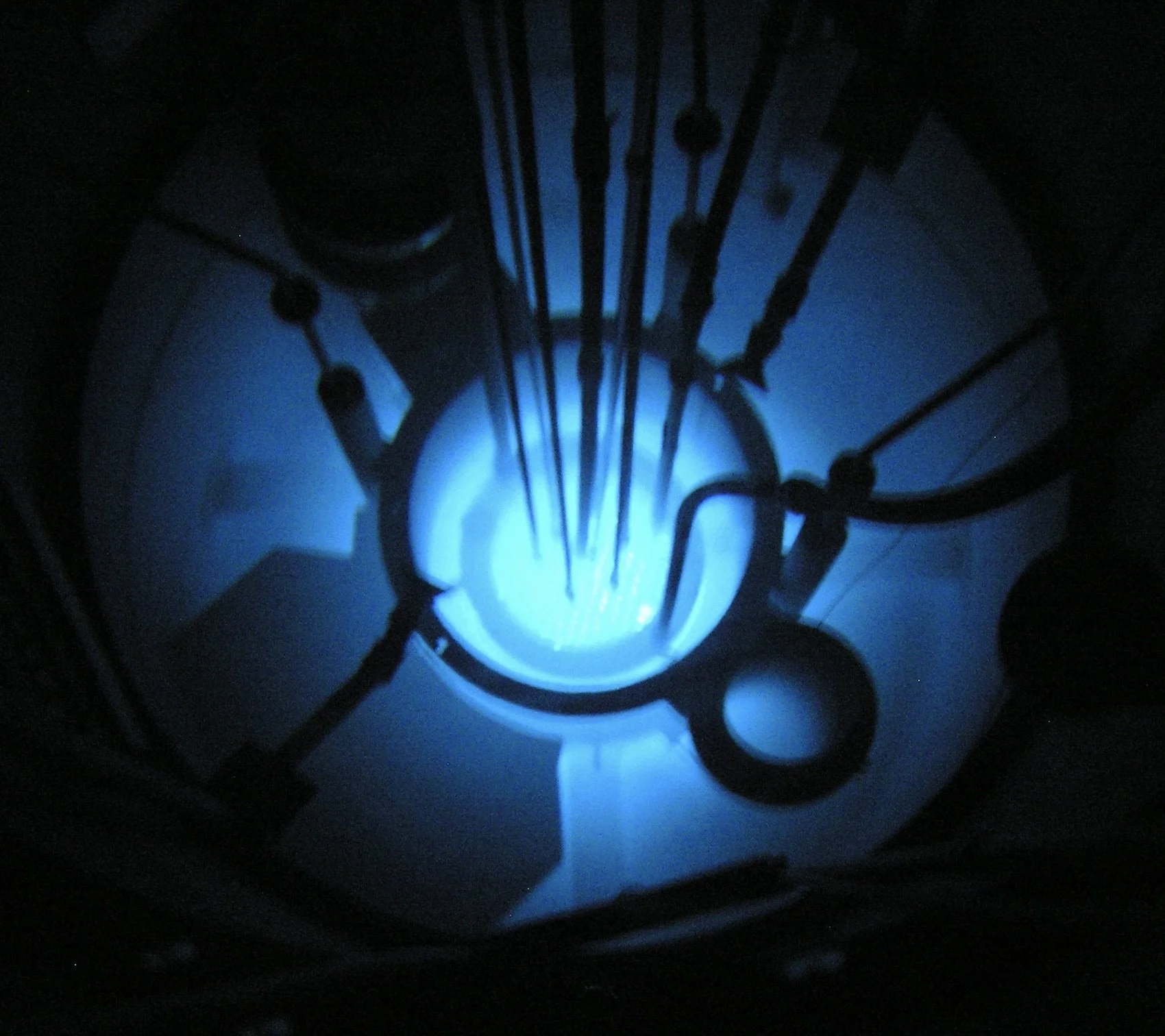
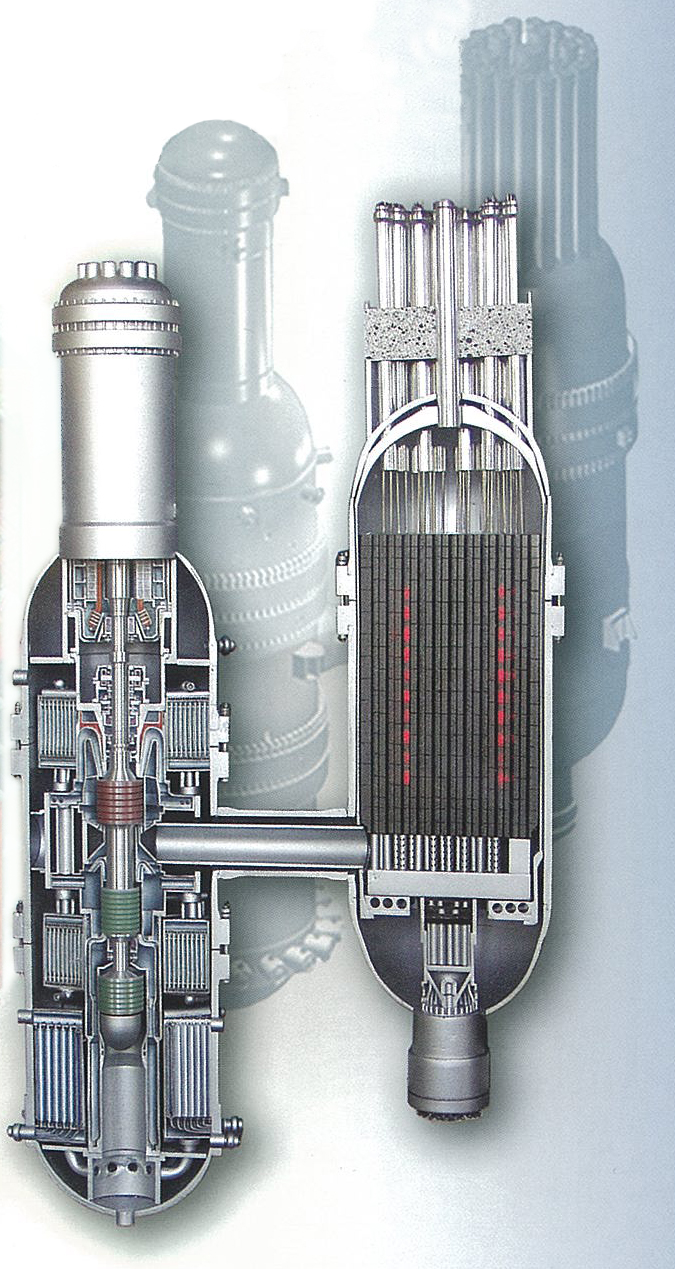
Next Generation Nuclear Power Reactors
Currently deployed gigawatt class nuclear power reactors have been a mainstay worldwide supporting carbon free power generation since the 1960s. Since the turn of the century, advanced nuclear technologies (GEN-IV and beyond), which better serve the new, diverse power generation technologies - from the use of smaller, modular designs that can be sized to meet specific power needs and at the same time provide grid stability - to micro-grid designs that are particularly useful for remote site applications, are expected to be the key to addressing the escalating global warming crisis.
Next Generation Small Power Sources
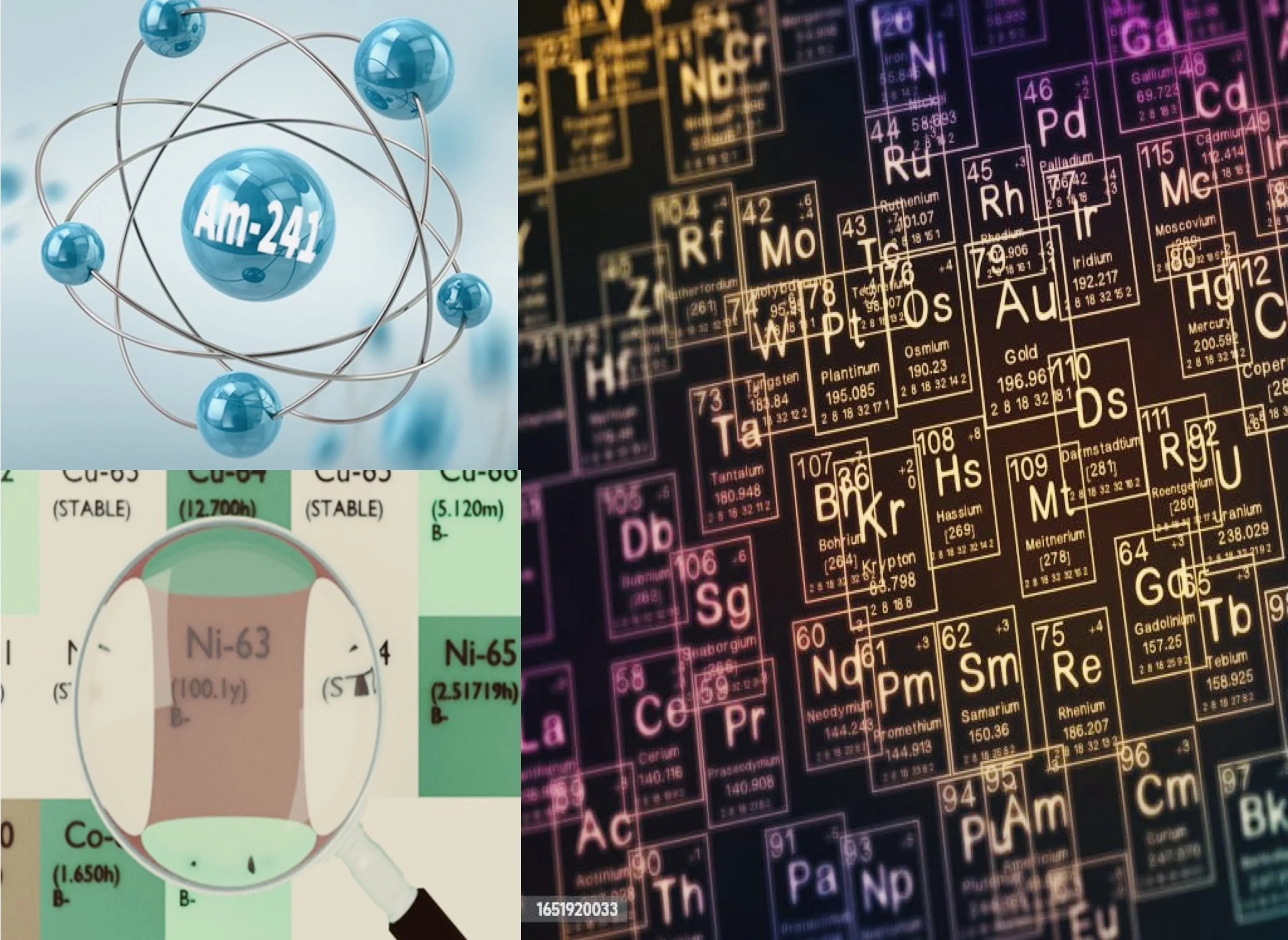
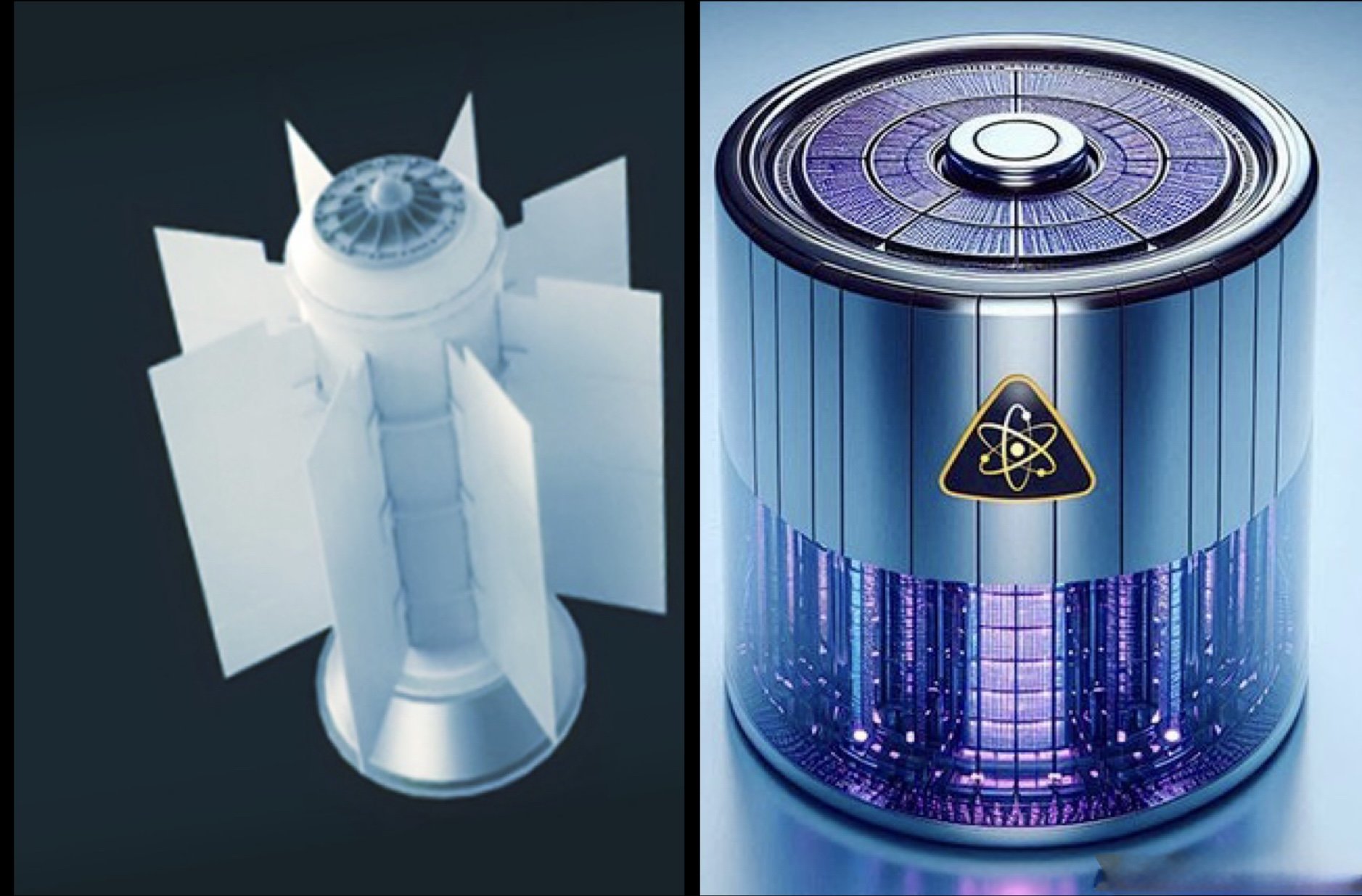
Nuclear radiation powered batteries are an example of technology that never dies. In 1970, surgeons implanted the first radioisotope powered pacemaker, that was in use until 1988. At that time, other than their use in space applications to provide power for space probes, use of nuclear batteries essentially stopped. More recently, it has begun to gain traction again not just for deep space uninterrupted power, but for commercial use as well. Radioisotope Thermoelectric Generators (RTGs), devices that generate electricity by harnessing the energy released from the radioactive decay of isotopes by converting it into electricity via thermoelectric materials, have been the workhorse for missions to Mars and Venus. Today, Radiovoltaic Batteries that directly convert the energy from emitted alpha and beta radiation into electrical current through semiconductor junctions are being reinvented. Unlike traditional batteries, these cells do not require recharging, can operate in extreme conditions, and are valued for their exceptional reliability and long operational lifetimes.
These characteristics have made the prospect for nuclear batteries into a concept desirable for specialized applications. While RTGs have powered primarily deep-space missions, direct-conversion devices like radiovoltaic batteries can be used not only in deep space applications to power low-power devices— but also battery powered medical implants, microelectronic sensors, and remote monitoring equipment—offering continuous output for years or even generations. Ongoing work focuses on improving their safety, miniaturization, and energy-conversion efficiency, especially as new materials and semiconductor technologies open opportunities for their use in autonomous systems, and miniature wireless devices.
We have experience with the design and licensing support for such technologies that currently are in various phases of development. We can leverage that experience in a variety of ways to support your efforts from concept to deployment.
Neutron Research
Nuclear research and test reactors are essential tools driving innovation and discovery across scientific, medical, and industrial sectors. These specialized reactors generate intense neutron fluxes that enable high-precision experiments, advanced materials testing, and the production of life-saving radioisotopes. One prominent area of research is neutron scattering, which allows scientists to probe the atomic and molecular structure of materials under diverse conditions—contributing invaluable insights to physics, chemistry, biology, and engineering. Neutron activation analysis, another widely used technique, facilitates the detection and measurement of trace elements in archaeological samples, geological specimens, and forensic evidence with remarkable sensitivity.
Research reactors also play a pivotal role in the development and testing of new fuel types, core configurations, and cooling technologies that underpin next-generation nuclear systems such as small modular reactors (SMRs) and advanced fast reactors. They provide platforms for investigating accident-tolerant fuels, innovative reactor materials, and passive safety components. In addition, these reactors enable the study of radiation effects on structural and electronic materials, inform regulatory and safety protocols, and serve as training centers for nuclear engineers and technicians. The ongoing work with research and test reactors ensures that nuclear technology continues to evolve, strengthening capabilities for clean energy generation, medical applications, and addressing complex industrial challenges.
We have experience with the design, licensing, construction, operation and utilization of such facilities that can be leveraged to support your needs.